Source Computer Desk for Office School Meeting Room
Explore 30 listings for computer desk options including foldable, height adjustable, and solid wood designs. Buyers can compare specifications like table top size, frame thickness, and customization availability from suppliers in China; compare the available evidence and request quotations based on your requirements.
Key considerations
Products List
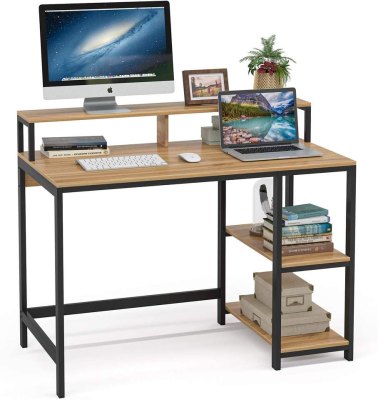
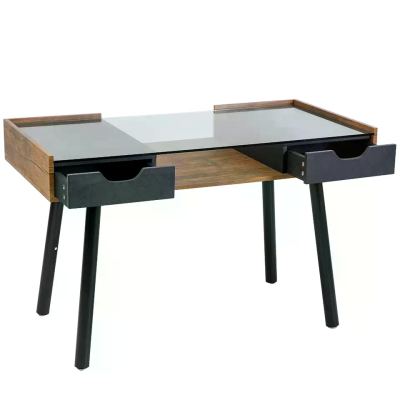


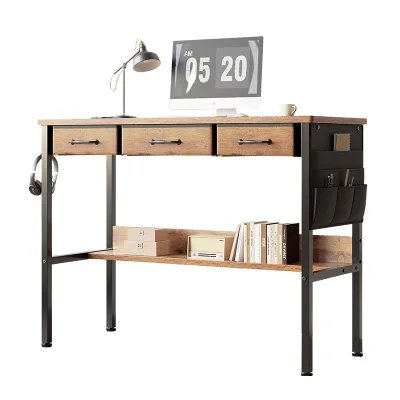

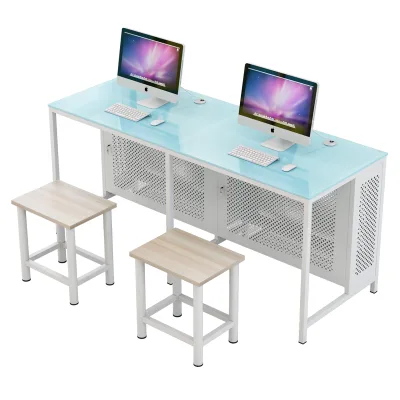


Comprehensive Sourcing Guide
Computer Desk Sourcing Guide
Procuring computer desks for B2B distribution requires a disciplined approach to verifying product consistency across diverse manufacturing origins. Buyers must distinguish between solid wood constructions and panel-based designs, as these materials dictate different maintenance requirements and durability profiles. The observed data indicates a wide range of configurations, from height-adjustable units to fixed-height models, meaning that standardization is not guaranteed across all listings.
Successful sourcing begins with defining the specific end-user environment, whether for schools, offices, or meeting rooms. Each application demands distinct structural integrity and ergonomic features. For instance, preschool settings may prioritize rounded edges and lower heights, while corporate offices often require robust load-bearing capacities. By aligning the procurement strategy with these specific use cases, buyers can avoid over-specifying features that increase costs without adding value. This initial alignment ensures that the final product meets functional needs while remaining competitive in the target market.
Product Scope and Observed Listing Signals
The current market landscape for computer desks reveals significant variation in material composition and structural design. Listings frequently specify surface materials ranging from solid wood to panel constructions, with corresponding leg materials often being metal or steel. This diversity means that a "computer desk" is not a single standardized item but a category with multiple sub-types. Buyers must carefully review the material breakdown to ensure the product matches their quality expectations and budget constraints.
Observed listing signals also highlight differences in adjustability and folding capabilities. Some models are explicitly marked as height-adjustable, while others are unadjustable, which directly impacts their suitability for different user groups. Additionally, features such as foldability and convertibility are present in certain listings, offering space-saving solutions for smaller offices or multi-purpose rooms. Understanding these specific attributes allows buyers to filter out incompatible options early in the sourcing process, reducing the time spent on non-viable suppliers.
Technical Specifications to Verify
Verifying technical specifications is critical to ensuring the desk meets structural and functional requirements. Buyers should confirm the exact dimensions of the tabletop, as observed standards vary significantly, with examples including 400x1000 mm and 600x450 mm sizes. These dimensions must align with the intended workspace layout and user needs. Furthermore, the thickness of the frame, often specified in millimeters, directly affects the desk's stability and load-bearing capacity, which is a key performance indicator for heavy equipment.
Load capacity is another essential specification to verify, with some listings indicating a bearing weight of up to 200 kg. This metric ensures the desk can support multiple monitors, computers, and other peripherals without risk of structural failure. Additionally, the height of the desk, such as the observed 700 mm standard, must be checked for ergonomic compliance. Buyers should request detailed technical sheets that include these precise measurements and load ratings to avoid discrepancies between the advertised product and the delivered goods.
Compliance and Safety Documentation
While specific certification names are not always listed in basic product data, buyers must proactively request safety documentation from suppliers. This includes proof of compliance with relevant international safety standards for furniture, particularly regarding structural integrity and material toxicity. For wooden desks, documentation should confirm that the wood is sourced responsibly and that any finishes or coatings meet environmental safety regulations. This step is crucial for entering regulated markets where non-compliance can lead to legal issues or product recalls.
Additionally, buyers should verify that the manufacturing process adheres to quality control standards that ensure consistent product quality. This may involve requesting test reports for load-bearing capacity, stability, and durability. For desks intended for educational or public settings, additional safety features such as rounded edges and non-slip feet may be required. By establishing clear documentation requirements upfront, buyers can mitigate risks associated with substandard products and ensure that the supplied desks meet all necessary safety and regulatory criteria.
Cost Drivers and Commercial Terms
Understanding the cost drivers for computer desks is essential for accurate budgeting and negotiation. Material choice is a primary cost factor, with solid wood typically commanding a higher price than panel-based constructions. The complexity of the design, including features like height adjustability or folding mechanisms, also increases the manufacturing cost. Buyers should analyze these factors to determine the optimal balance between quality and cost for their specific application, ensuring that they are not paying for unnecessary features.
Commercial terms, including Minimum Order Quantity (MOQ) and payment structures, also significantly impact the total cost of procurement. Observed MOQs can range from 1 to 200 sets, with some suppliers requiring 200 pieces per color for customized orders. Buyers should negotiate these terms based on their inventory needs and cash flow constraints. Additionally, shipping methods, such as sea, air, or land transport, affect the final landed cost. By carefully evaluating these commercial terms, buyers can optimize their procurement strategy and achieve better value for their investment.
Supplier Qualification and Quality Control
Qualifying suppliers is a critical step in ensuring a reliable supply chain for computer desks. Buyers should assess the supplier's manufacturing capabilities, including their production capacity, technical expertise, and quality control processes. This involves reviewing the supplier's track record, client references, and any relevant certifications that demonstrate their commitment to quality. A reputable supplier will provide transparent information about their production processes and be willing to undergo third-party inspections.
Implementing a robust quality control plan is equally important. This should include pre-production sampling, in-process inspections, and pre-shipment checks to ensure that the products meet the agreed specifications. Buyers should define clear acceptance criteria and reject thresholds to maintain consistency in product quality. By establishing a strong relationship with qualified suppliers and enforcing strict quality control measures, buyers can minimize the risk of defects and ensure a smooth procurement process.
Long-Term Procurement Checks
Long-term procurement success depends on maintaining consistent quality and reliable supply over time. Buyers should establish regular performance reviews with their suppliers to monitor key metrics such as on-time delivery, defect rates, and responsiveness to issues. This ongoing evaluation helps identify potential problems early and allows for timely corrective actions. Additionally, buyers should keep detailed records of all transactions and communications to support future negotiations and dispute resolution.
Diversifying the supplier base can also enhance supply chain resilience. By maintaining relationships with multiple qualified suppliers, buyers can mitigate risks associated with single-source dependencies, such as production disruptions or price fluctuations. This strategy also provides leverage in negotiations and ensures that buyers have alternative options if a supplier fails to meet expectations. By adopting a proactive approach to long-term procurement, buyers can build a sustainable and efficient supply chain for their computer desk needs.
FAQs
What features do the computer desks offer?
The computer desks offer foldable, convertible, and revolving features for versatile use. They are available in modern styles with solid wood or panel surfaces. Some models include height adjustment options while others remain fixed. Customization is available for specific buyer requirements.
Can I customize the computer desk specifications?
Yes, customization is available for the computer desks to meet specific needs. Buyers can request custom designs with a minimum order quantity of 200 pieces per color. Sample time for customized orders is typically seven days. This allows for tailored solutions in wood style and dimensions.
What is the minimum order quantity for these desks?
The minimum order quantity is 200 sets for standard orders. For customized items, the requirement is 200 pieces per color. This ensures efficient production and shipping logistics. Buyers should plan their inventory accordingly to meet these volume thresholds for successful procurement.
How long does it take to receive a sample?
It takes seven days to receive a sample of the computer desk. This sample time applies to customized requests as well. Buyers can use this period to verify quality and specifications before placing a larger order. Shipping methods include sea, air, and land transport options.
Which materials are used for the desk construction?
The desks are constructed using solid wood and panel materials for the desktop. The frame is made of metal with powder coating for durability. Some models feature steel bases and specific leg materials. These materials ensure stability and a modern aesthetic suitable for offices and schools.
What is the warranty period for the computer desks?
The computer desks come with a 15-year warranty period. This coverage ensures long-term reliability for the product. The warranty applies to the structural integrity and finish of the desk. Buyers can rely on this extended protection for their investment in office or school furniture.
Where are these computer desks manufactured?
These computer desks are manufactured in Jiangsu and Zhejiang provinces in China. Specific origins include Jinhua, Zhejiang, and general production in Jiangsu. The products are exported globally with various shipping methods available. This location supports efficient manufacturing and logistics for international buyers.